


An HVAC Design Case Study – Putting It All Together

In this final installment of our 6-article deep dive into HVAC Design for High Performance Homes where we put it all together in this Case Study and illustrate all the concepts we’ve discussed in the previous 5 articles, which are: Manual J, Manual S, Manual D/T, and fresh air ventilation. The new home in this […]
Embracing Ventilation: The Unsung Hero of HVAC Efficiency

In our fifth installment of our series on HVAC, we focus on the ‘V’ in HVAC—ventilation. This unsung hero plays a pivotal role in not only ensuring our homes are comfortable but safeguarding their health and air quality. The Essence of Ventilation Our daily lives, filled with cooking, breathing, and indoor activities, produce pollutants, odors, […]
Designing HVAC Distribution Systems for New Homes: A Practical Guide

Welcome to the fourth installment in our series on HVAC (Heating, Ventilation, and Air Conditioning) design for high-performance homes and buildings. When building a new home, getting the HVAC distribution system right is more than just comfort; it’s about efficiency, longevity, and noise control. Let’s break down the two key stages of this process, guided […]
The Art of HVAC Sizing: Mastering Manual S for Optimal Performance

In the third installment of our HVAC design series, we delve into the intricacies of sizing and selecting HVAC equipment – a sophisticated HVAC design stage this is often misunderstood. Understanding a “Ton” in HVAC A pivotal concept in HVAC sizing is the term “ton,” as in a “3-ton unit.” This term, originating in the […]
5 Different Methods to Support “Innie” Windows

Throughout the design and construction phases of a project not often enough or at all does the question arise, “where should the window be placed in the depth of the rough opening”? Joseph Lstiburek has often noted windows are a “pain”, well that may be true, the project team still needs to determine if the […]
Calculating HVAC Loads: A Comprehensive Guide to Manual J Methodology

Welcome back to the second installment in our series on HVAC (Heating, Ventilation, and Air Conditioning) design for high-performance homes and buildings. The Importance of Accurate HVAC Load Calculations When you’re involved in a new build or renovation project, accurate HVAC load calculations, often known as “Doing a Manual J,” are critical. The term refers […]
Importance of a Drained & Ventilated Rainscreen Behind Cladding
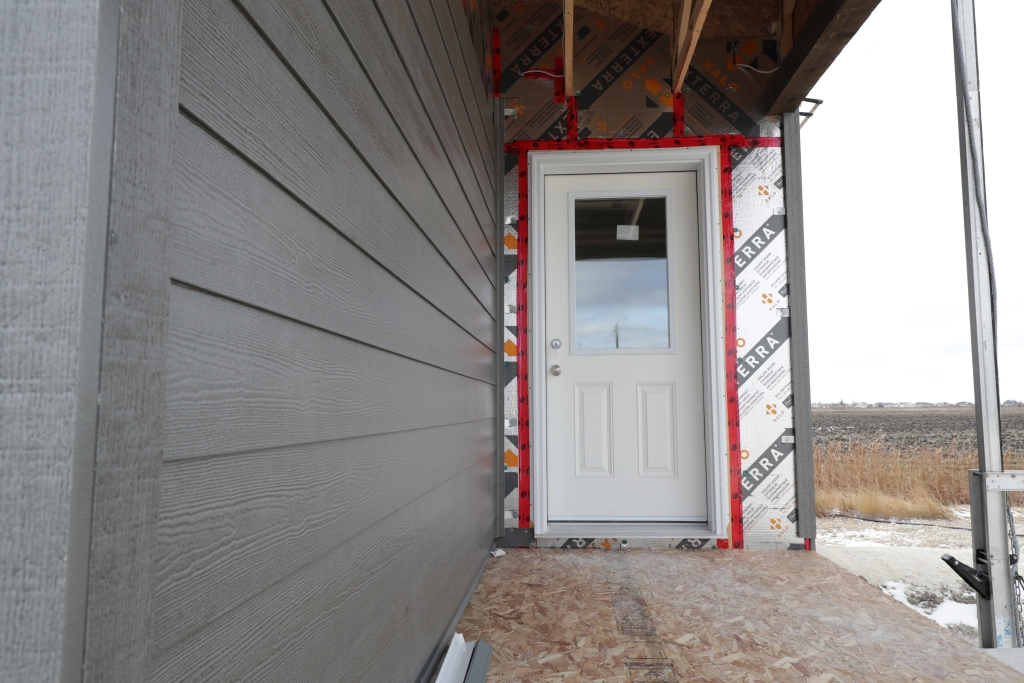
The simple explanation that describes the function of an exterior wall assembly is that it separates the exterior environment from the interior environment. To perform this “simple function” the assembly must control heat flow, control air flow, control water vapor flow, control rain penetration, control light, solar and other radiation, control noise, control fire, provide […]
An Introduction to Professional HVAC Design: Elevating Home Performance and Efficiency

This post is the first of a series of articles that will guide you through the intricacies of HVAC (Heating, Ventilation, and Air Conditioning) design, with a focus on high-performance homes and buildings. This first post in the series is a high-level overview of the stages of HVAC design and their impact on homes built […]
With 1,000 Net-Zero Ready Homes Built (In Canada), What Have We Learned?

Over the past 5+ years, 1,000+ Net-Zero (NZ) and Net-Zero-Ready (NZR) homes have been built in Canada under the Canadian Home Builders’ Association’s Net Zero Home Program. And with that sample size, and with energy codes are trending toward the Net Zero Ready benchmark, it’s time to ask ourselves – what have we learned? To […]
The Difference Between a Radon Barrier and a Gas Permeable Layer (And How Our Engineered Insulation Products Help Achieve Both)
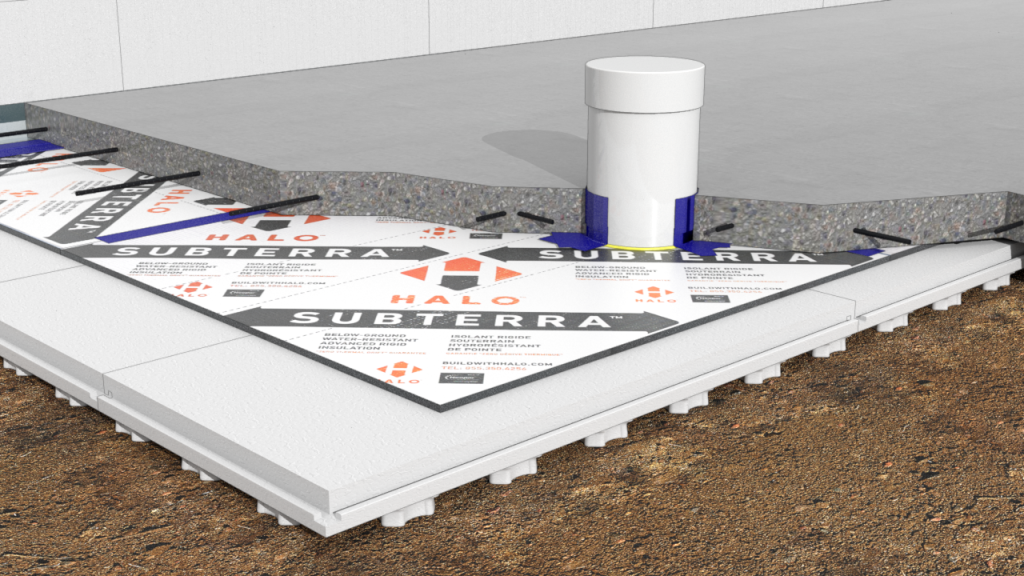
Logix Brands offer two engineered insulation products that help mitigate Radon ingress into homes and buildings: Halo Subterra Plus and Heat-Sheet Heavy. However, the functions of these two products are vastly different. Subterra Plus is a superior radon barrier alternative to 6-mil poly, whereas Heat-Sheet Heavy is a more effective gas permeable layer than the industry-standard 4-inch granular layer. In the post […]